



















Enjoy Distraction-Free Reading
Focus on the story without sidebars, navigation, or unnecessary distractions. Enjoy a clean, comfortable reading experience.
Good nutrition is not about eating perfectly. It is about making balanced, nourishing choices that support your health over time.
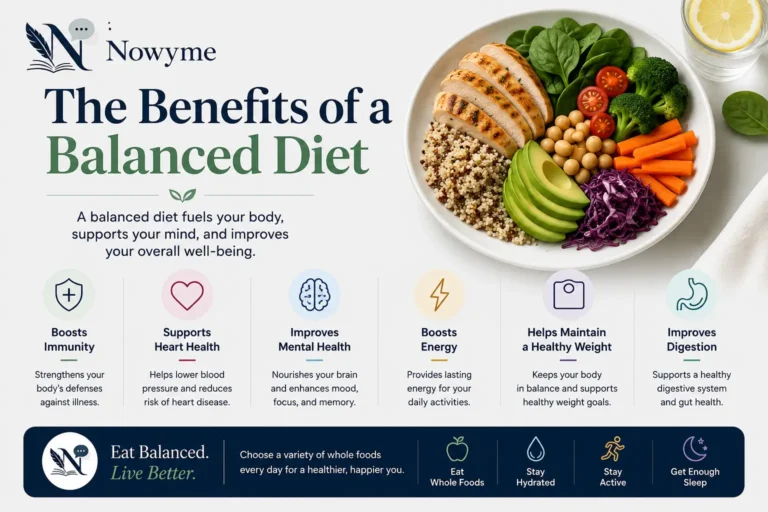
Eating a balanced diet is one of the everyday habits that can contribute to better health and overall well-being.
The food we eat provides the energy and nutrients our bodies need to grow, repair tissues, support essential functions, and carry out daily activities.
But healthy eating is about more than counting calories or avoiding certain foods. It involves choosing a variety of nutritious foods, developing sustainable eating habits, and finding a balance that works for your individual needs.
A balanced diet generally includes vegetables, fruits, whole grains, protein foods, healthy fats, and enough fluids to support hydration.
It can also include foods you enjoy, cultural dishes, and occasional treats. Healthy eating does not have to mean giving up everything you love.
Whether you're looking to improve your eating habits, support your long-term health, or simply understand why nutrition matters, here are ten important benefits of eating a balanced diet.

1. Provides Essential Nutrients
A balanced diet supplies the nutrients your body needs to function properly.
These include carbohydrates for energy, proteins for growth and tissue repair, fats for essential body processes, and vitamins and minerals that support numerous bodily functions.
Dietary fibre contributes to digestive health, while water is essential for hydration and many normal body processes.
Eating a variety of foods helps ensure that you receive a broad range of nutrients rather than relying heavily on a small selection of foods.
Healthy Eating Tip: Include different vegetables, fruits, whole grains, and protein sources in your meals. Choose foods that meet your nutritional needs while respecting any allergies or medical restrictions.
2. Supports Healthy Weight Management
Balanced eating patterns can help support a healthy weight by providing nutritious foods in amounts that meet individual energy needs.
Foods rich in fibre and protein may also help support fullness and satisfaction after meals.
However, weight management is influenced by several factors, including physical activity, sleep, medications, health conditions, genetics, and individual metabolism.
Healthy eating should focus on nourishing the body and building sustainable habits rather than following restrictive diets or trying to achieve rapid weight changes.
Healthy Eating Tip: Pay attention to hunger and fullness cues, eat regularly in a way that suits your needs, and choose satisfying meals containing vegetables, whole grains, and protein foods.
3. Supports Mood and Mental Well-Being
Nutrition plays an important role in normal brain function and overall well-being.
The brain requires a steady supply of energy and nutrients, including certain vitamins, minerals, and essential fatty acids.
A varied, nutritious eating pattern may support mental well-being, while irregular meals or inadequate nutrition can contribute to tiredness and difficulty concentrating.
However, mental health is influenced by many factors, and no particular food or diet can guarantee happiness or treat a mental health condition on its own.
Healthy Eating Tip: Aim for regular, nourishing meals and include foods such as whole grains, vegetables, fruits, nuts, seeds, and fish where appropriate.
4. Promotes Better Digestion
A balanced diet containing adequate fibre supports normal bowel function and digestive health.
Fibre is found in vegetables, fruits, beans, lentils, and whole grains. It helps support regular bowel movements and can reduce the likelihood of constipation.
Adequate fluid intake and regular physical activity can also support digestive function.
Healthy Eating Tip: Gradually increase fibre-rich foods and drink enough fluids throughout the day, unless a healthcare professional has advised you to restrict fluids.
5. Helps Reduce the Risk of Chronic Diseases
Healthy eating patterns are associated with a lower risk of several chronic health conditions, including cardiovascular disease and type 2 diabetes.
Eating vegetables, fruits, whole grains, and a variety of protein foods while limiting excess sodium, added sugars, and saturated fats can support long-term health.
Nutrition also contributes to cancer risk reduction as part of a broader healthy lifestyle, although no diet can prevent every cancer or other disease.
Healthy Eating Tip: Choose whole grains more often, include vegetables and fruits regularly, and replace some foods high in saturated fat with foods containing unsaturated fats.
6. Supports Normal Immune Function
The immune system relies on adequate nutrition to function normally.
Nutrients such as protein, zinc, iron, and vitamins A, C, D, and E contribute to various immune processes.
A balanced diet can help prevent nutrient deficiencies that may interfere with normal immune function.
However, eating extra amounts of particular vitamins or taking supplements without a demonstrated need does not necessarily provide additional protection against illness.
Healthy Eating Tip: Focus on a varied diet rather than relying on individual foods marketed as immune boosters.
7. Promotes Healthy Bones and Teeth
Calcium and vitamin D are important for bone health. Vitamin D helps the body absorb and use calcium.
Adequate protein and other nutrients also contribute to bone development and maintenance.
Foods such as yogurt, milk, fortified plant-based beverages, calcium-set tofu, and certain leafy vegetables can provide calcium. Vitamin D is available through fortified foods and some types of fish.
Strong teeth also benefit from appropriate nutrition, good oral hygiene, and limiting frequent exposure to sugary foods and drinks.
Healthy Eating Tip: Include suitable calcium-rich foods in your diet and discuss vitamin D needs with a healthcare professional when appropriate.
8. Supports Healthy Skin, Hair, and Nails
Healthy skin, hair, and nails depend partly on adequate nutrition.
Protein helps maintain and repair body tissues, while nutrients such as zinc, iron, vitamin C, and essential fatty acids contribute to normal cellular processes.
A varied diet can help prevent deficiencies that may affect the appearance or health of skin, hair, and nails.
However, their condition can also be influenced by genetics, hormones, medications, age, and medical conditions.
Healthy Eating Tip: Include a variety of protein foods, vegetables, fruits, and healthy fats rather than relying on supplements marketed for beauty.
9. May Support Better Sleep
Healthy eating habits may contribute to overall sleep health.
Regular meals, adequate nutrition, and attention to caffeine and alcohol intake can be helpful as part of a healthy routine.
However, sleep quality is influenced by many factors, including stress, work schedules, environment, medications, and medical conditions.
A balanced diet is one part of a healthy lifestyle, not a guaranteed solution for sleep difficulties.
Healthy Eating Tip: Avoid excessive caffeine close to bedtime and maintain eating habits that support your comfort and daily routine.
10. Encourages Healthy Aging
As we grow older, adequate nutrition becomes especially important for maintaining muscle mass, bone health, strength, and everyday functioning.
Protein supports muscle maintenance, while calcium, vitamin D, and other nutrients contribute to overall health.
A balanced diet may also help older adults manage certain chronic disease risks and maintain independence.
Nutritional needs can change with age, and some individuals may require additional support because of medications, reduced appetite, swallowing difficulties, or health conditions.
Healthy Eating Tip: Choose nutrient-rich meals and include adequate protein, fluids, and a variety of foods. Seek individualized nutrition advice when necessary.
How to Build a Balanced Meal
One practical way to develop healthier eating habits is to follow Canada's Food Guide plate model:
Fill approximately half your plate with vegetables and fruits.
Fill one-quarter with whole grain foods.
Fill the remaining quarter with protein foods.
Choose water as your main drink.
Include foods containing healthy unsaturated fats as part of your overall eating pattern.
This is a flexible guide rather than a strict rule for every meal.
Your nutritional needs may differ depending on your age, activity level, health, preferences, and other individual circumstances.
Simple Ways to Eat More Balanced Meals
Healthy eating does not have to be expensive or complicated.
You can begin with a few practical changes:
Add an extra vegetable or fruit to a meal.
Choose whole grain bread, oats, or brown rice more often.
Include beans, lentils, fish, eggs, tofu, or other nutritious protein foods.
Drink water regularly instead of relying on sugary beverages.
Choose foods with less added sodium, sugar, and saturated fat more often.
Plan meals when possible to make nutritious choices easier.
Enjoy cultural and familiar foods while incorporating variety and balance.
Make gradual changes that are realistic for your lifestyle.
Remember that healthy eating is about your overall pattern of food choices, not achieving perfection at every meal.
Final Thoughts: Small Choices, Lasting Benefits
A balanced diet is an important foundation for good health.
From supporting normal body functions and digestion to contributing to long-term disease prevention, healthy eating offers many potential benefits throughout life.
However, there is no single perfect diet that works for everyone.
Age, lifestyle, culture, food availability, health conditions, and personal preferences all influence what balanced eating looks like for each individual.
The goal is to develop a healthy relationship with food, make informed choices, and establish habits that are realistic and sustainable.
Healthy eating is not about perfection. It is about nourishing your body, enjoying your food, and making choices that support your well-being over time.
Start with one small change today, and build from there.
Footnotes & References
-
Footnotes and Important Health Considerations
Individual Nutritional Needs
A balanced diet may look different from person to person. Age, pregnancy, physical activity, medical conditions, allergies, cultural preferences, and access to food can influence nutritional requirements. People with specialized dietary needs may benefit from guidance from a registered dietitian.
Healthy Weight Management
Weight is influenced by many factors beyond food choices, including genetics, medications, hormones, activity, and health conditions. Balanced nutrition is important regardless of body size, and healthy eating should not be reduced to weight loss alone.
Nutrition and Mental Health
Good nutrition supports normal brain function and overall well-being, but a balanced diet should not be considered a replacement for professional mental health assessment or treatment. Individuals experiencing persistent symptoms should seek appropriate support.
Chronic Disease Prevention
Healthy eating patterns can help reduce the risk of certain chronic diseases, but no diet guarantees prevention. Genetics, environmental exposures, physical activity, tobacco use, and other factors also affect disease risk.
Immune System Health
Adequate intake of essential nutrients supports normal immune function. Taking excessive vitamins or supplements does not necessarily improve immunity and may cause harm. Supplements should be used according to individual needs and appropriate professional advice.
Fibre and Digestive Health
Dietary fibre supports bowel regularity and digestive function. Increasing fibre gradually may help reduce bloating and discomfort. Fluid requirements vary, and individuals with medical fluid restrictions should follow their healthcare professional's advice.
Nutrition Across the Lifespan
Nutritional requirements change throughout life. Children, pregnant individuals, older adults, and people managing chronic illnesses may have different needs for energy, protein, vitamins, minerals, and fluids.
General Health Information Disclaimer
This article is intended for general education and awareness. It does not provide personalized medical advice, diagnosis, or treatment. Readers with food allergies, eating disorders, chronic illnesses, or other specific nutritional concerns should consult an appropriately qualified healthcare professional. [↩]
Enjoy reading Nowyme?
Choose Nowyme as a preferred source on Google to see more of our content in eligible search experiences.
Enjoyed This Article?
Your appreciation means a lot! Give this article a clap to show your support and encourage more inspiring content on Nowyme.
Print This Article
Prefer reading offline? Print a clean, reader-friendly copy of this article.
Print ArticleA clean layout, ideal for saving or printing.



0 Comments